How AI-Powered Conversational Advertising Will Transform Digital Marketing

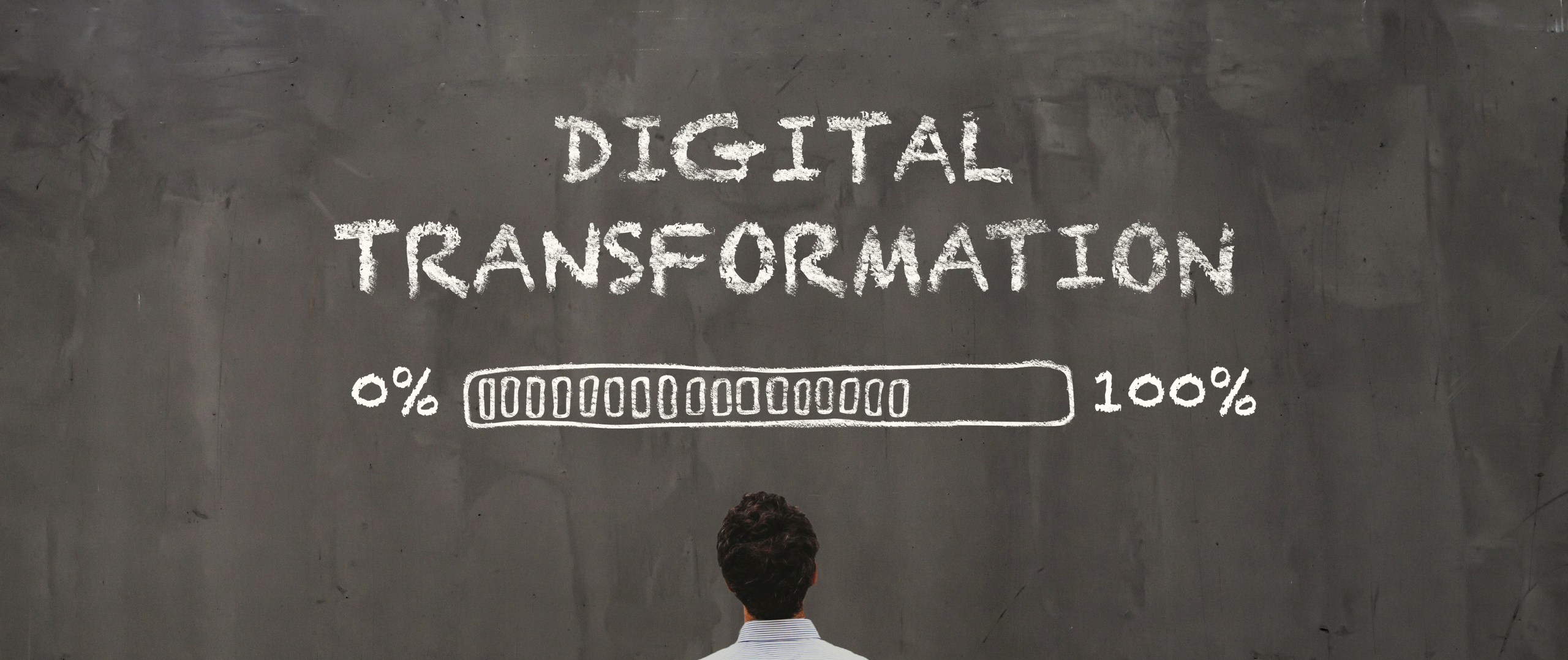
AI-powered conversational advertising is transforming digital marketing by enabling personalised, real-time interactions with consumers, according to a report by Gartner. Businesses often mistake traditional ad metrics for success, missing the deeper engagement AI can offer. To truly benefit, companies should integrate AI chatbots and measure engagement beyond clicks.
- AI enables real-time consumer engagement. Conversational advertising allows brands to interact with consumers in a personalised manner, enhancing user experience.
- Traditional metrics miss AI’s deeper impact. Focusing solely on clicks and impressions overlooks the engagement potential of AI-driven ads.
- Integration is key to leveraging AI benefits. Businesses should incorporate AI chatbots and measure success through engagement metrics.
- Sublyme Digital’s approach is unique. The agency believes in measuring engagement over impressions, setting a new standard in digital marketing.
- AI shifts marketing strategies significantly. Companies must adapt to AI’s capabilities to stay competitive in the evolving digital landscape.
Understanding AI-Powered Conversational Advertising
AI-powered conversational advertising is revolutionising digital marketing by enabling brands to engage with consumers in real-time through personalised interactions. This approach leverages artificial intelligence to create conversations that mimic human interaction, offering a more engaging and interactive experience for users. According to a Gartner report, by 2022, 70% of customer interactions will involve emerging technologies such as machine learning applications, chatbots, and mobile messaging. This shift is significant as it changes the way brands communicate with their audience, moving from one-way communication to a more dynamic, two-way interaction.
Traditional advertising methods often rely on static messages that are broadcast to a wide audience, hoping to capture the attention of potential customers. However, AI-powered conversational advertising allows for a more targeted approach, where messages are tailored to the individual based on their preferences and behaviours. This level of personalisation not only increases the likelihood of engagement but also enhances the overall user experience, making it more relevant and valuable to the consumer.
One of the biggest advantages of conversational advertising is its ability to provide instant responses to consumer queries. This immediacy is crucial in today’s fast-paced digital environment, where consumers expect quick and efficient service. By using AI chatbots, brands can ensure that their customers receive the information they need promptly, improving customer satisfaction and loyalty. Moreover, the data collected from these interactions can be used to refine marketing strategies, making them more effective and efficient.
However, the transition to AI-powered conversational advertising is not without its challenges. Many businesses struggle to integrate these technologies into their existing marketing strategies, often due to a lack of understanding or resources. It’s essential for companies to invest in the right tools and expertise to fully harness the potential of AI in their advertising efforts. By doing so, they can not only improve their marketing outcomes but also gain a competitive edge in the market.
AI-powered conversational advertising is a transformative force in digital marketing, offering brands the opportunity to engage with their audience in a more meaningful and personalised way. As technology continues to evolve, it’s crucial for businesses to stay ahead of the curve and embrace these innovations to remain relevant and competitive in the digital landscape.

The Impact of AI on Consumer Engagement
The impact of AI on consumer engagement is profound, as it transforms the way brands interact with their audience. AI-powered conversational advertising enables brands to engage with consumers in a more personalised and interactive manner, enhancing the overall user experience. According to a study by McKinsey, personalisation can deliver five to eight times the ROI on marketing spend and lift sales by 10% or more. This highlights the significant potential of AI in driving consumer engagement and improving marketing outcomes.
One of the key benefits of AI-powered conversational advertising is its ability to provide real-time responses to consumer queries. This immediacy is crucial in today’s fast-paced digital environment, where consumers expect quick and efficient service. By using AI chatbots, brands can ensure that their customers receive the information they need promptly, improving customer satisfaction and loyalty. Moreover, the data collected from these interactions can be used to refine marketing strategies, making them more effective and efficient.
AI-powered conversational advertising also allows for a more targeted approach, where messages are tailored to the individual based on their preferences and behaviours. This level of personalisation not only increases the likelihood of engagement but also enhances the overall user experience, making it more relevant and valuable to the consumer. By leveraging AI, brands can create more meaningful connections with their audience, fostering long-term relationships and driving customer loyalty.
However, the transition to AI-powered conversational advertising is not without its challenges. Many businesses struggle to integrate these technologies into their existing marketing strategies, often due to a lack of understanding or resources. It’s essential for companies to invest in the right tools and expertise to fully harness the potential of AI in their advertising efforts. By doing so, they can not only improve their marketing outcomes but also gain a competitive edge in the market.
AI-powered conversational advertising is a transformative force in digital marketing, offering brands the opportunity to engage with their audience in a more meaningful and personalised way. As technology continues to evolve, it’s crucial for businesses to stay ahead of the curve and embrace these innovations to remain relevant and competitive in the digital landscape.
AI-powered conversational advertising is transforming digital marketing by enabling personalised, real-time interactions with consumers.
Overcoming Challenges in AI Integration
Integrating AI into existing marketing strategies can be a daunting task for many businesses. The challenges often stem from a lack of understanding of the technology and its potential benefits. According to a report by Forrester, 46% of marketers struggle to integrate AI into their marketing strategies due to a lack of expertise and resources. This highlights the need for businesses to invest in the right tools and expertise to fully harness the potential of AI in their advertising efforts.
One of the biggest challenges in AI integration is the complexity of the technology itself. Many businesses find it difficult to understand how AI works and how it can be applied to their marketing strategies. This lack of understanding can lead to a reluctance to invest in AI, as businesses may not see the immediate benefits. However, by taking the time to learn about the technology and its potential applications, businesses can make more informed decisions and better integrate AI into their marketing efforts.
Another challenge is the cost of implementing AI-powered solutions. Many businesses are hesitant to invest in AI due to the perceived high costs associated with the technology. However, it’s important to consider the long-term benefits of AI, such as increased efficiency and improved marketing outcomes. By investing in AI, businesses can not only improve their marketing efforts but also gain a competitive edge in the market.
In addition to these challenges, businesses must also consider the ethical implications of using AI in their marketing strategies. As AI becomes more prevalent, there is a growing concern about the potential misuse of the technology, particularly in terms of data privacy and security. It’s essential for businesses to ensure that they are using AI responsibly and ethically, and to be transparent with their customers about how their data is being used.
While there are challenges associated with integrating AI into marketing strategies, the potential benefits far outweigh the risks. By investing in the right tools and expertise, businesses can overcome these challenges and fully harness the potential of AI in their advertising efforts. As technology continues to evolve, it’s crucial for businesses to stay ahead of the curve and embrace these innovations to remain relevant and competitive in the digital landscape.
Measuring Success in AI-Powered Advertising
Measuring success in AI-powered advertising requires a shift in focus from traditional metrics to more meaningful engagement metrics. Traditional advertising metrics, such as clicks and impressions, often fail to capture the true impact of AI-powered conversational advertising. According to a report by HubSpot, 61% of marketers believe that measuring the ROI of their marketing activities is one of their top challenges. This highlights the need for businesses to adopt new metrics that better reflect the success of their AI-powered advertising efforts.
One of the key benefits of AI-powered conversational advertising is its ability to provide real-time responses to consumer queries. This immediacy is crucial in today’s fast-paced digital environment, where consumers expect quick and efficient service. By using AI chatbots, brands can ensure that their customers receive the information they need promptly, improving customer satisfaction and loyalty. Moreover, the data collected from these interactions can be used to refine marketing strategies, making them more effective and efficient.
AI-powered conversational advertising also allows for a more targeted approach, where messages are tailored to the individual based on their preferences and behaviours. This level of personalisation not only increases the likelihood of engagement but also enhances the overall user experience, making it more relevant and valuable to the consumer. By leveraging AI, brands can create more meaningful connections with their audience, fostering long-term relationships and driving customer loyalty.
However, the transition to AI-powered conversational advertising is not without its challenges. Many businesses struggle to integrate these technologies into their existing marketing strategies, often due to a lack of understanding or resources. It’s essential for companies to invest in the right tools and expertise to fully harness the potential of AI in their advertising efforts. By doing so, they can not only improve their marketing outcomes but also gain a competitive edge in the market.
AI-powered conversational advertising is a transformative force in digital marketing, offering brands the opportunity to engage with their audience in a more meaningful and personalised way. As technology continues to evolve, it’s crucial for businesses to stay ahead of the curve and embrace these innovations to remain relevant and competitive in the digital landscape.
The Future of Digital Marketing with AI
The future of digital marketing with AI is promising, as it offers brands the opportunity to engage with their audience in a more meaningful and personalised way. AI-powered conversational advertising is revolutionising the way brands interact with their audience, enabling them to provide real-time responses to consumer queries and tailor messages to the individual based on their preferences and behaviours. According to a report by Statista, the global AI market is expected to reach $190 billion by 2025, highlighting the significant potential of AI in driving the future of digital marketing.
One of the key benefits of AI-powered conversational advertising is its ability to provide real-time responses to consumer queries. This immediacy is crucial in today’s fast-paced digital environment, where consumers expect quick and efficient service. By using AI chatbots, brands can ensure that their customers receive the information they need promptly, improving customer satisfaction and loyalty. Moreover, the data collected from these interactions can be used to refine marketing strategies, making them more effective and efficient.
AI-powered conversational advertising also allows for a more targeted approach, where messages are tailored to the individual based on their preferences and behaviours. This level of personalisation not only increases the likelihood of engagement but also enhances the overall user experience, making it more relevant and valuable to the consumer. By leveraging AI, brands can create more meaningful connections with their audience, fostering long-term relationships and driving customer loyalty.
However, the transition to AI-powered conversational advertising is not without its challenges. Many businesses struggle to integrate these technologies into their existing marketing strategies, often due to a lack of understanding or resources. It’s essential for companies to invest in the right tools and expertise to fully harness the potential of AI in their advertising efforts. By doing so, they can not only improve their marketing outcomes but also gain a competitive edge in the market.
AI-powered conversational advertising is a transformative force in digital marketing, offering brands the opportunity to engage with their audience in a more meaningful and personalised way. As technology continues to evolve, it’s crucial for businesses to stay ahead of the curve and embrace these innovations to remain relevant and competitive in the digital landscape.
Whenever our company has an idea or inquiry we hear back instantly. They handle our account 24/7 as if they are our employees.
Clients were growing tired and concerned. Sublyme understood the situation and were available 24/7 to keep them satisfied.
Powerhouse professionals. Conscientious, and they deliver projects on time and accurately executed.
A briefing built the moment you ask for it.
No subscription, no sequence, nothing to unsubscribe from. Ask for an edition and it arrives in minutes, written for you rather than sent to a list.
Frequently Asked Questions
- How does AI-powered conversational advertising work?
-
AI-powered conversational advertising uses artificial intelligence to create personalised, real-time interactions with consumers. It leverages chatbots and machine learning to engage users, providing instant responses and tailored messages based on individual preferences and behaviours.
- What are the benefits of AI-powered conversational advertising?
-
The benefits include enhanced consumer engagement, personalised interactions, and improved customer satisfaction. AI allows brands to provide real-time responses and tailor messages to individual users, fostering long-term relationships and driving customer loyalty.
- What challenges do businesses face in integrating AI into their marketing strategies?
-
Businesses often struggle with understanding the technology, high implementation costs, and ethical concerns. Investing in the right tools and expertise is crucial to overcoming these challenges and fully harnessing AI’s potential in advertising.
- How can businesses measure the success of AI-powered advertising?
-
Success can be measured through engagement metrics rather than traditional metrics like clicks and impressions. Real-time interactions, customer satisfaction, and loyalty are key indicators of AI-powered advertising success.
- Is AI-powered conversational advertising suitable for all businesses?
-
While AI offers significant benefits, its suitability depends on the business’s goals, resources, and target audience. Companies should assess their needs and capabilities before integrating AI into their marketing strategies.
Transform Your Digital Marketing Strategy
Ready to embrace AI in your digital marketing efforts? Visit to access the free website audit and discover how AI-powered conversational advertising can transform your approach. It’s time to take the next step in your marketing journey.