Why Shoppers Leave Their Carts: Understanding Cart Abandonment

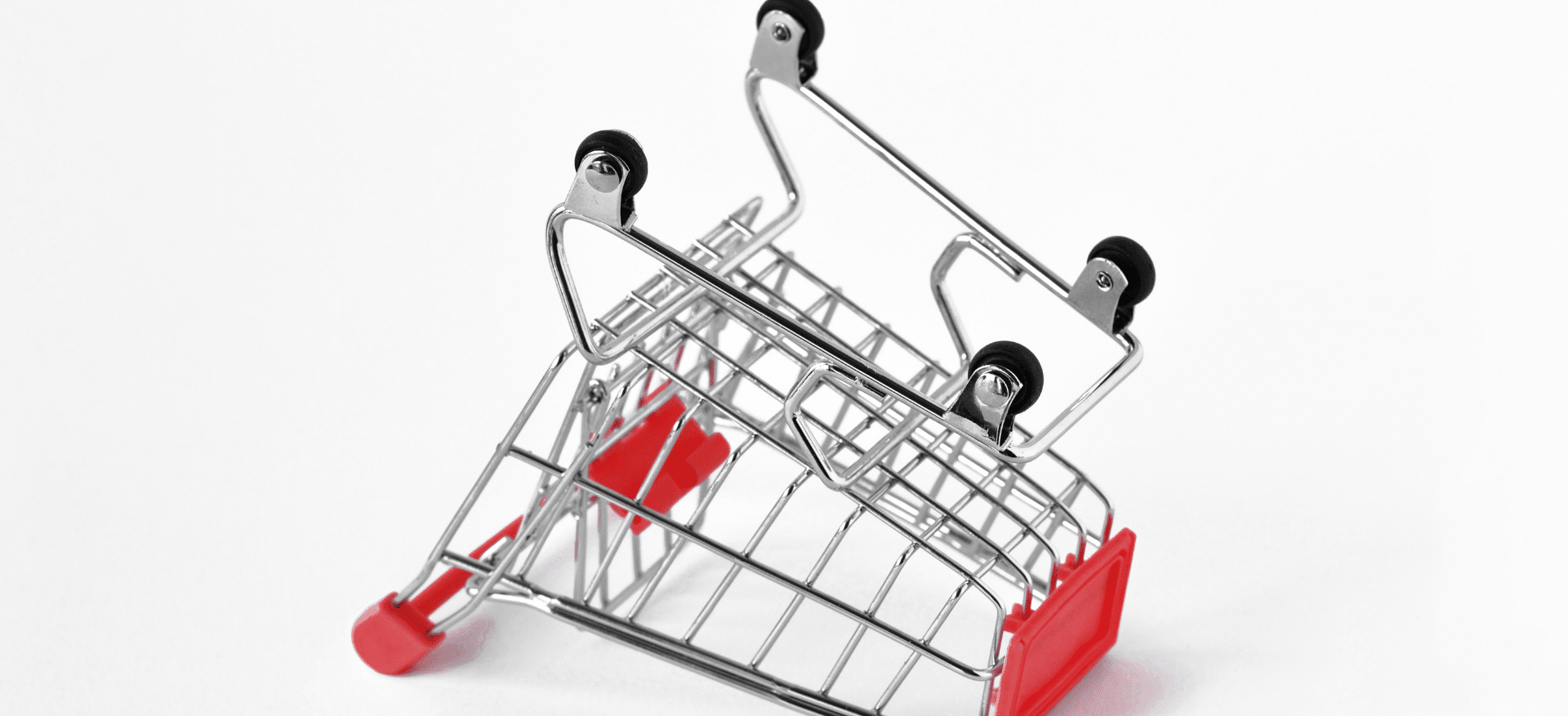
- Around 70% is typical. Baymard’s average across published studies is about seven in ten carts.
- Some of it isn’t fixable. Many shoppers are browsing or comparing, not ready to buy.
- Surprise costs lead the rest. Shipping, tax and fees shown late are the most common reason given.
- Accounts and long forms hurt. Guest checkout and fewer fields remove two common reasons.
- Mobile is worse. Test every step of the checkout on an actual phone.
How common cart abandonment is
Baymard Institute keeps a running average of published cart abandonment studies, and it sits at about 70%. Individual studies range widely, and rates tend to be higher on phones than on desktop.
Seven in ten sounds alarming, but it needs context. Plenty of people add items to a cart to save them, check the shipping cost or compare with another store. Baymard’s own surveys of US shoppers find a large group who abandon because they were only browsing. That part of the number isn’t a checkout problem, and it’s worth knowing before you set out to fix it.
The reasons shoppers give
Baymard sets the browsers aside and asks the rest why they left. The order has been consistent for years.
Extra costs were too high. Shipping, taxes and fees that only appear at checkout are the most common reason by a wide margin.
Delivery was too slow. Or the delivery date wasn’t clear.
The site wanted an account. Being forced to create a password before paying is an easy reason to stop.
They didn’t trust the site with their card. Unfamiliar stores, dated design and missing contact details all feed this.
The checkout was too long or complicated. Too many fields, too many steps, confusing errors.
Smaller groups cite returns policies, missing payment methods, errors and declined cards.
Show the full cost early, offer guest checkout and test the checkout on a phone.
Fixes, in order of impact
Show the full cost early. Put shipping costs or a free-shipping threshold on product pages and in the cart, and add a shipping estimator before checkout. For Canadian stores shipping across the border, show duties and taxes up front. Zonos and Canada Post on WooCommerce covers one way to do that.
Offer guest checkout. Let people pay first and offer an account afterward.
Cut the form. Ask only for what’s needed to deliver the order. Use address autocomplete and the right keyboard for each field on phones.
Add the payment methods your customers use. Wallets like Apple Pay and Google Pay save typing on a phone.
Earn trust visibly. Clear returns policy, real contact details, reviews and a site that looks maintained. How websites make a first impression covers the visual side.
Make it fast. A slow checkout on a phone loses people mid-purchase. Core Web Vitals in plain English covers what to measure.
Finding your own leaks
Averages tell you what’s common. Your own data tells you where your shoppers stop.
Set up the funnel in GA4. Track viewing the cart, starting checkout, adding shipping, adding payment and purchase, then see which step loses the most people. The six GA4 reports that matter covers the setup.
Watch recordings. Free tools like Microsoft Clarity show where people hesitate, rage-click or give up.
Buy something yourself, on a phone. It’s the quickest audit there is.
Then recover some of what’s left. Abandoned cart emails covers how to set up a sequence that brings people back.
Whenever our company has an idea or inquiry we hear back instantly. They handle our account 24/7 as if they are our employees.
Clients were growing tired and concerned. Sublyme understood the situation and were available 24/7 to keep them satisfied.
Powerhouse professionals. Conscientious, and they deliver projects on time and accurately executed.
A briefing built the moment you ask for it.
No subscription, no sequence, nothing to unsubscribe from. Ask for an edition and it arrives in minutes, written for you rather than sent to a list.
Frequently Asked Questions
- What is the average cart abandonment rate?
- About 70%, according to Baymard Institute’s average of published studies. Rates are usually higher on mobile.
- Why do most shoppers abandon their carts?
- Many are only browsing. Among the rest, the most common reason is extra costs like shipping, taxes and fees that appear late in checkout.
- Does requiring an account increase cart abandonment?
- Yes. Being forced to create an account is one of the most common reasons shoppers give for leaving. Offer guest checkout instead.
- How do I find where shoppers leave my checkout?
- Set up a checkout funnel in GA4, watch session recordings in a tool like Microsoft Clarity and complete a purchase yourself on a phone.
- Can cart abandonment be eliminated?
- No. Some shoppers will always save items or compare prices. The goal is to remove the avoidable reasons and recover some of the rest.
Check the site before the checkout.
The free audit scores a page on speed, accessibility and technical SEO, and comes back with three fixes. No call, no card.